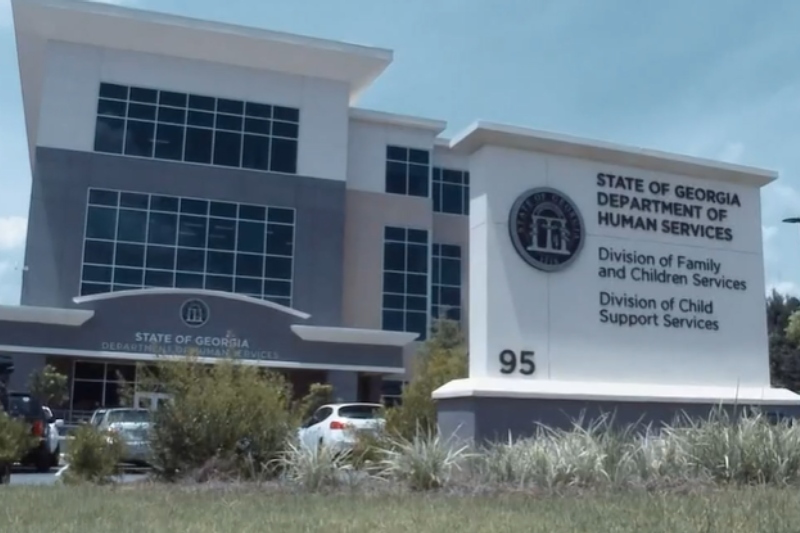
GEORGIA DFCS MOVES TO EXPAND CASEWORKER, JUDICIAL POWERS AMID RISING CONCERNS, a resident listed in public arrest records, was taken into custody on April 5, 2025, in Featured County, Georgia. According to the official booking report, the arrest was made by local authorities and the subject was charged with the following offense(s): unspecified charges. This incident was officially recorded and made publicly available by law enforcement agencies in the state of Georgia. The details provided reflect the arrest information at the time of booking and do not indicate guilt or conviction. All suspects are presumed innocent until proven guilty in a court of law.
FULTON COUNTY, Ga. — Amid mounting concerns from lawmakers and child welfare advocates, Georgia’s Division of Family and Children Services (DFCS) is pressing forward with efforts to expand the authority of its caseworkers and juvenile court judges.
The agency is backing legislative proposals that would allow juvenile court judges to issue arrest warrants outside of their local jurisdictions and permit DFCS investigators broader access to sensitive evidence in child abuse investigations — including immunity from prosecution when handling illegal materials, such as child sexual abuse images, obtained during the course of their work.
These provisions are part of the 2025 state budget request, which also seeks $1.7 million in federal grant funding to bolster investigations into child sex trafficking within the state’s foster care system. While DFCS argues the changes would strengthen protections for vulnerable children, some lawmakers are pushing back, warning that the agency’s proposals risk blurring the line between child welfare and law enforcement.
“I’m very concerned about whether DFCS is moving into a law enforcement role,” said State Rep. Mary Margaret Oliver (D-Decatur) during a recent committee hearing. “We need to make sure collaboration with police doesn’t become competition or confusion.”
DFCS Commissioner Candice Broce defended the proposals, pointing to the agency’s newly formed Special Victims Unit (SVU), created to handle complex child abuse cases that span multiple counties. According to Broce, the expanded powers would improve coordination with police, not replace them. She insisted the agency is not attempting to become an enforcement arm but is seeking tools necessary for timely and effective intervention.
“We aren’t asking to arrest people,” Broce said. “We’re asking for the means to respond more effectively to children in crisis, especially when cases involve multiple jurisdictions.”
One of the most contentious elements is House Bill 435, which would grant legal protection to DFCS workers who must possess or view explicit content as part of abuse investigations — materials that would otherwise be considered child pornography. Broce explained that without such safeguards, caseworkers risk criminal charges simply for doing their jobs.
Still, skepticism remains. Rep. Charlice Byrd (R-Woodstock) questioned whether DFCS has earned the trust to wield expanded powers, citing long-standing concerns over staffing shortages and poor case management. “This agency has had serious issues for years,” Byrd said. “Throwing more authority at the problem doesn’t fix the root causes.”
DFCS has been under heightened scrutiny following a federal investigation that uncovered systemic failures within the agency. A 2022 report by the U.S. Senate Judiciary Committee’s Subcommittee on Human Rights and the Law, led by Sen. Jon Ossoff, linked internal mismanagement to multiple child deaths across Georgia — a report that fueled public frustration and calls for reform.
A DFCS spokesperson responded to the criticism by emphasizing the agency’s ongoing reform efforts, including new training programs, staff support systems, and closer partnerships with law enforcement. “We’re not seeking to replace police,” the spokesperson said. “We’re trying to do our jobs better — and that sometimes requires more tools.”
Senate Bill 8 and House Bill 435 are both expected to reach the House floor in the coming weeks. If approved, the legislation could mark a significant shift in how Georgia handles child welfare cases — potentially expanding the reach of DFCS investigators while igniting new debates about the balance between protection and overreach.
Disclaimer: All data provided here is taken from public arrest records. This publication does not imply guilt or final conviction.
More Arrests in Featured on April 5, 2025
No other arrests found on this date in Featured.